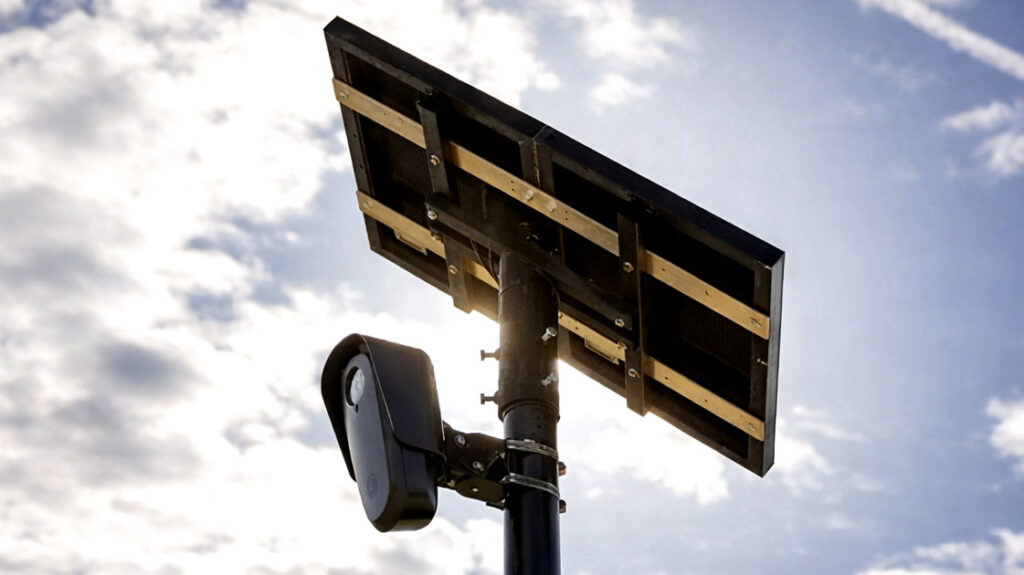
- Ten Connecticut towns approved for automated traffic cameras.
- More municipalities are preparing or awaiting DOT approval.
- Automated tickets start at $50, plus admin fees in most towns..
Police have plenty of work to do across the USA. That’s where speed cameras can potentially help out. Whether or not they really slow down speeders is up for debate. What isn’t in dispute is how much revenue they bring in. Now, ten Connecticut towns have gotten the green light to tap into that stream.
var adpushup = window.adpushup = window.adpushup || {que:[]};
adpushup.que.push(function() {
if (adpushup.config.platform !== “DESKTOP”){
adpushup.triggerAd(“0f7e3106-c4d6-4db4-8135-c508879a76f8”);
} else {
adpushup.triggerAd(“82503191-e1d1-435a-874f-9c78a2a54a2f”);
}
});
As of late December, these municipalities officially have state approval to install automated speed and red-light cameras, thanks to a roadway safety law passed in 2023.
Green Light for Local Enforcement
That list already includes major population centers like New Haven and Middletown, along with Fairfield, Greenwich, Milford, Stratford, Wethersfield, Beacon Falls, Marlborough, and Washington, which was the first town approved back in November 2024. Hamden and Stamford have also submitted applications and are awaiting approval.
More: The Speed Limit In Texas Could Now Change While You’re Driving
The law allows towns to use automated cameras to enforce local traffic ordinances, but the process isn’t quick or automatic. Municipalities must first hold a public hearing and submit a detailed safety plan to the Connecticut Department of Transportation explaining how cameras would reduce crashes, injuries, or deaths.
Once submitted, the DOT has 60 days to make a decision. If an application is rejected, it’s returned with feedback on what needs to change before it can move forward.
According to CT News Junkie, West Hartford appears closest to joining the approved list. The Town Council unanimously backed a speed camera plan in December covering 15 locations, with officials aiming for a mid-2026 rollout.
var adpushup = window.adpushup = window.adpushup || {que:[]};
adpushup.que.push(function() {
if (adpushup.config.platform !== “DESKTOP”){
adpushup.triggerAd(“bb7964e9-07de-4b06-a83e-ead35079d53c”);
} else {
adpushup.triggerAd(“9b1169d9-7a89-4971-a77f-1397f7588751”);
}
});
How Far Should Surveillance Go?
East Hartford has taken a broader approach, approving an ordinance that covers speed cameras, red-light cameras, license plate readers, and even drones and noise cameras. Responding to privacy concerns raised by the ACLU, the ordinance limits license plate image retention to 30 days, unless tied to an active investigation.
Also: A Single AI Traffic Camera Issued Over 1,000 Fines In Just Four Days
Under state law, automated speed cameras activate when a vehicle is traveling 10 mph or more over the posted limit. A photo of the license plate is reviewed by law enforcement, and if approved, a citation is mailed to the registered owner.
var adpushup = window.adpushup = window.adpushup || {que:[]};
adpushup.que.push(function() {
if (adpushup.config.platform !== “DESKTOP”){
adpushup.triggerAd(“b25ecba7-3bbb-4ea7-a3a8-dbea91695c07”);
} else {
adpushup.triggerAd(“e46c436a-adeb-4b5e-a2c7-56bc36561c10”);
}
});
First offenses cost $50, repeat violations $75, and most towns add a $15 administrative fee. If these programs work anything like the ones we’ve covered in Hawaii, Florida, Indiana, or most other states, expect Connecticut to come into a lot more money soon.